



join us
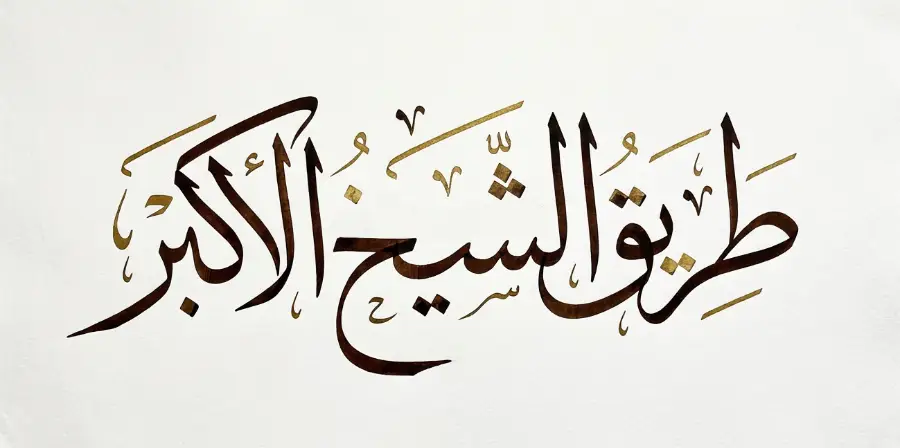
Tariq al-Shaykh al-Akbar
“No seeker chooses a path—the path chooses the seeker.”
This Tariq is not about personal preference or emotional affinity. Your eternal essence (‘ayn thābita) holds the blueprint of your destined path. Love for Ibn al-Arabi alone does not place you on his path; you are called only if this Tariq is inscribed in your essence from eternity. Ask yourself: Is your soul whispering for this door?
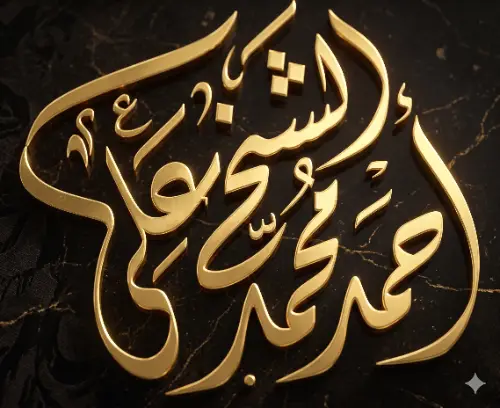
Ahmed Muhammad Ali
Founded in 2015 by Shaykh Ahmed Muhammad Ali of Cairo, Tariq al-Shaykh al-Akbar emerged from a divine mandate—fulfilling the eternal will of Ibn al-Arabi himself. From childhood, Shaykh Ahmed was consumed by a passionate devotion to the Shaykh al-Akbar, a bond that ignited his spiritual destiny. His connection to the Ibn al-Arabi Foundation dates back to its 2008 inception, making him among its first supporters. In 2015, Allah bestowed upon him a rare grace: kashf (spiritual unveiling) and the unparalleled honor of becoming Ibn al-Arabi’s direct spiritual disciple—a station longed for by saints across centuries. With the Prophet Muhammad’s ﷺ explicit permission, he was granted the authority to guide seekers through bay‘ah (initiation).
روحانی احوال ہمیشہ بدلتے رہتے ہیں—اور یہ اس سفر کا ایک قدرتی میزان ہیں۔ ان احوال کے اتار چڑھاؤ کو راہِ سلوک کی بے ثباتی یا کمزوری نہ سمجھا جائے۔ کاملین، جیسے کہ بایزید بسطامی، انہی تبدیلیوں کے اندر متمکین ہوتے ہیں، وہ صبح وشام (کے تغیرات) سے ماورا ہو کر مقامِ وحدت میں قیام پذیر رہتے ہیں۔
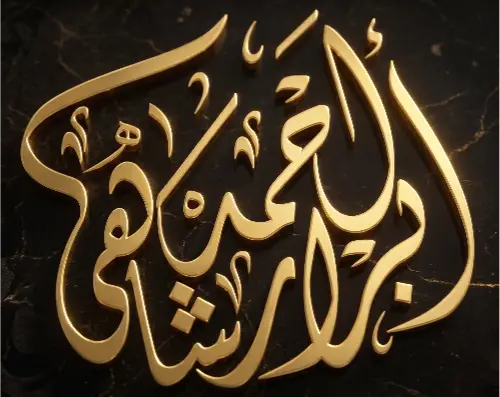
Abrar Ahmed Shahi
In Pakistan, Abrar Ahmed Shahi—among the first to pledge allegiance to Shaykh Ahmed on *19 November 2015*—is entrusted with initiating sincere seekers into this Tariq. For those unable to connect directly with Shaykh Ahmed in Egypt, Abrar Ahmed Shahi serves as a spiritual conduit, ensuring the path remains accessible to lovers of Ibn al-Arabi’s wisdom.
What is this Silsila of Ibn al-Arabi
The Founder and Origin: Founded in 2015 in Cairo, Egypt, by Shaykh Ahmed Muhammad Ali, the Tariq al-Shaykh al-Akbar emerged from a divine mandate. From childhood, Shaykh Ahmed possessed a deep and passionate devotion to the Great Master, Ibn al-Arabi. In 2015, Allah bestowed upon him a rare grace of Kashf (spiritual unveiling), granting him the unparalleled honor of becoming a direct spiritual disciple of Ibn al-Arabi. With the explicit permission and authority granted by the Prophet Muhammad ﷺ, he began initiating sincere seekers through Bay‘ah (initiation). In Pakistan, Abrar Ahmed Shahi serves as the spiritual conduit, initiating and guiding seekers into this sacred path.
Core Dynamics and Curriculum:
Connected to the Teachings of the Great Master: This Tariq is fundamentally and directly aligned with the profound spiritual and philosophical framework of Shaykh al-Akbar Ibn al-Arabi.
An Owaisi Order: It operates as an Owaisi Silsila, where the spiritual essence and direct effusion (Fayd) of Ibn al-Arabi transcend physical and temporal boundaries to guide the seeker.
The Books of Shaykh al-Akbar as the Syllabus: The monumental works of the Great Master (such as Al-Futuhat al-Makkiyya and Fusus al-Hikam) are not merely studied as academic texts; they serve as the literal, practical syllabus for the seeker’s spiritual ascension.
What This Silsila Is NOT (Strict Red Lines)
Before stepping onto this path, it is crucial to understand that this order departs entirely from conventional socio-religious structures:
No Traditional Piri-Muridi or Hereditary Seats: This is not a conventional Sufi order. It completely rejects hereditary seat-holding (Gaddi Nashini), ritualistic traditionalism, or the commercialization of spirituality.
No Pursuit of Material or Worldly Gains: This path is not a venue for resolving worldly grievances, seeking blessings (Dua) for material wealth, or indulging in occult practices, talismans (Amliyat), or solitary retreats (Chillas).
No Pursuit of Esoteric Powers: Seekers looking to acquire the secrets of the science of letters (Ilm al-Huruf), spiritual permissions (Idhn), or supernatural authority (Tasarruf) will find no room for such ambitions here.
The Ultimate Objective & Reality of the Journey
Exclusively for Sincere Seekers of the Divine: This door is open solely to those whose ultimate, undivided intention is the pursuit of Divine Proximity and Truth.
Severing Ties with All But Allah: The ultimate goal of this path is to forge an unbreakable bond between the servant and the Creator, systematically detached from the illusions of the creation (Ghayr-Allah).
The Journey of the Eternal Essence (‘Ayn): On this path, the disciple journeys in accordance with their own eternal essence (‘Ayn Thābita). While the Murshid acts as a spiritual mirror and guide, the seeker’s ultimate and sole reliance in receiving spiritual illumination remains strictly with the Divine—for in absolute reality, the Ultimate Murshid is none other than Al-Haqq (The Truth/Allah) Himself.
طریق الشیخ الأکبر – یہ سلسلہ عالی کیا ہے؟
سلسلے کے بانی اور آغاز: سلسلہ عالیہ شیخِ اکبر کا آغاز ۲۰۱۵ء میں قاہرہ، مصر سے ہوا، جس کے بانی شیخ احمد محمد علی ہیں۔ شیخ احمد کو بچپن ہی سے شیخِ اکبر محی الدین ابن العربیؒ سے والہانہ عقیدت اور گہرا روحانی لگاؤ تھا۔ ۲۰۱۵ء میں انہیں اللہ تعالیٰ کی طرف سے ایک خاص فضل اور کشفِ روحانی حاصل ہوا، جہاں انہیں براہِ راست شیخِ اکبرؒ کی مریدی اور ان سے فیضِ باطنی کا بے مثال اعزاز حاصل ہوا۔ بعد ازاں، بارگاہِ رسالت ﷺ سے باقاعدہ اذن اور اجازت ملنے پر انہوں نے متلاشیانِ حق کی رہنمائی اور بیعت کا آغاز کیا۔ پاکستان میں اس سلسلے کی خلافت اور بیعت کا نظام جناب ابرار احمد شاہی کے سپرد ہے، جو مخلص سالکین کو اس راستے سے جوڑنے کا ذریعہ بن رہے ہیں۔
سلسلے کی نوعیت اور نصاب
۱۔ تعلیماتِ شیخِ اکبر سے مکمل اور گہرا لگاؤ
یہ سلسلہ نظریاتی اور روحانی اعتبار سے مکمل طور پر شیخِ اکبر محی الدین ابن العربیؒ کے افکار، ان کی تعلیمات اور ان کے پیش کردہ نظریات پر مبنی ہے۔ اس راستے پر چلنے والے سالکین کے لیے ضروری ہے کہ وہ اپنے فہم اور سوچ کو پوری طرح شیخِ اکبرؒ کے بتائے ہوئے اصولوں کے سانچے میں ڈھالیں، کیونکہ اس سلسلے کی بنیاد ہی ان کی خالص علوم پر رکھی گئی ہے۔
یہ سلسلہ کیا نہیں ہے؟ (اہم اور ضروری وضاحت)
اس پاکیزہ راستے پر قدم رکھنے سے پہلے ہر شخص کے لیے یہ جاننا انتہائی ضروری ہے کہ یہ کوئی روایتی پیری مریدی کا طریقہ یا خانقاہی نظام نہیں ہے، بلکہ اس کی حدود درج ذیل ہیں:
۱۔ روایتی پیر مریدی اور گدی نشینی کی مکمل نفی
ہمارے معاشرے میں جو مروجہ پیر مریدی کا نظام چل رہا ہے، یہ سلسلہ اس سے بالکل مختلف ہے۔ یہاں خاندانی یا نسلی گدی نشینی کا کوئی تصور نہیں ہے، نہ ہی یہاں نذر و نیاز، نذرانے وصول کرنے یا روایتی قسم کی رسومات اور میلے ٹھیلوں کی کوئی گنجائش ہے۔ یہ تمام چیزیں اس سلسلے کے مزاج کے خلاف ہیں۔
۲۔ مادی، دنیاوی اور کاروباری مقاصد سے پاک
اگر آپ اس سلسلے میں اس نیت سے آ رہے ہیں کہ آپ کے دنیاوی کام سنور جائیں، پیر صاحب سے دعائیں کروا کر مال و دولت یا نوکری حاصل ہو جائے، یا آپ تعویذ گنڈوں اور چلے کاٹنے کے ذریعے اپنی مادی مشکلات حل کرنا چاہتے ہیں، تو یہ راستہ آپ کے لیے بالکل نہیں ہے۔ یہ سلسلہ دنیاوی خواہشات کے حصول کا ذریعہ نہیں ہے۔
۳۔ کشف و کرامات اور غیبی طاقتوں کی نفی
اگر کوئی شخص یہاں علمِ حروف کے اسرار و رموز سیکھنے، کوئی غیبی طاقت حاصل کرنے، یا لوگوں پر اپنے تصرفات اور اثر و رسوخ قائم کرنے کی غرض سے آ رہا ہے، تو اسے معلوم ہونا چاہیے کہ اس سلسلے میں ایسی چیزوں کی کوئی جگہ نہیں ہے۔ کشف و کرامات یا مافوق الفطرت طاقتوں کا حصول اس راستے کا مقصد نہیں ہے۔ مقصد صرف اللہ کی معرفت اور اس کی بندگی ہے باقی سب عارضی چیزیں ہیں۔
سلسلے کا اصل مقصد اور سلوک کی حقیقت
۱۔ صرف اور صرف حقیقی متلاشیانِ حق کے لیے
اس کٹھن اور مخلصانہ راستے میں صرف وہی لوگ شامل ہوں جن کے دل میں اللہ کی حقیقی معرفت کے حصول کا جذبہ ہو۔ جن کا مقصد دنیا یا سستی شہرت نہ ہو، بلکہ وہ خالصتاً راہِ خدا کے سچے مسافر ہوں اور سچائی کی تلاش میں ہر حد سے گزرنے کا جذبہ رکھتے ہوں۔
۲۔ غیرِ خدا سے کٹ جانا اور ہر شے میں حق کی تجلی پانا
اس سلسلے کی بنیادی روح اور اصل مقصد یہ ہے کہ بندے کا دل دنیا کی تمام عارضی چیزوں سے پاک ہو جائے۔ انسان کا تعلق دنیا کی ہر شے سے ٹوٹ کر براہِ راست اپنے خالق و مالک سے جڑ جائے اور اس کے دل کے اندر اللہ تعالیٰ کے سوا کسی دوسری چیز کی محبت، خوف یا فکر باقی نہ رہے۔
۳۔ عینِ ثابتہ کے مطابق اپنی ازلی حقیقت کا سفر
اس سلسلے کے اندر ہر مرید اپنی “عین” یعنی عینِ ثابتہ کے مطابق ہی روحانی سفر طے کرتا ہے۔ اس پورے سفر میں مرشد کا کام صرف ایک رہنما، مشیر اور راستہ دکھانے والے کا ہوتا ہے۔ حقیقت میں سالک کا حقیقی مددگار، سہارا اور ممد و معاون صرف اور صرف اللہ تبارک و تعالیٰ کی ذات ہوتی ہے، کیونکہ اس راستے کی سب سے بڑی سچائی یہ ہے کہ اصل اور حقیقی مرشد صرف “حق” (اللہ) کی ذات ہے۔
Tariq Highlights
The Three Stations of the Way
Like the three grades of Dīn (Islam, Iman, Ihsan), this Tariq demands progression through three stations:
Islam: Submission—bending your will before the Divine.
Iman: Conviction—unshakable faith in the unseen.
Ihsan: Perfection—witnessing the Divine in all states.
Many enter but linger at the first gate. True seekers ascend. Where do you stand?
Dhikr Beyond Words
Here, Dhikr (remembrance) transcends tongue, heart, or mind. It is total immersion—a state where every breath, action, and silence becomes worship, as witnessed in the life of the Prophet ﷺ: “He remembered Allah in every moment.” This is the comprehensive Dhikr Ibn al-Arabi embodied.
The Nature of Spiritual States
“Spiritual states (ahwāl) are like a scale (mīzān) that lacks permanence (thubūt). They are perpetually changing.”
“Do not mistake this fluctuation (taghayyur) for a defect in the path (ṭarīqat).”
“While all experience changing states, the perfected ones (ahl Allāh) attain constancy (istiqrār) within these fluctuations.”
Example: When Abū Yazīd al-Basṭāmī declared,
“Now I have neither dawn nor dusk,”
“The transformation of states is a natural scale (ṭabīʿī mīzān) witnessed by the seeker (sālik) at every stage of the path.”
Wahdat al-Wujud
Interlocutor: What is the meaning of Sheikh Al-Akbar’s statement regarding the Oneness of Being (Wahdat al-Wujud)?
I replied: It does not mean that creation is the very essence of God (Haqq), but rather that existence is one in terms of its being existence, and all besides Him is a manifestation of that True Existence. Thus, creation is the manifestation, and God is the One who manifests within it.
Interlocutor: So where is the distinction between God and creation?
I replied: The distinction is established in essence and rank. God is Self-Sufficient by His very essence, while all else is needy through Him. The oneness lies only from the perspective that the existence by which they exist is the very existence of God (Haqq); they have no existence of their own.
Interlocutor: And how does the spiritual knower (al-‘arif) perceive this meaning?
I replied: When he vanishes from the perception of multiplicity through the light of Divine Oneness (Tawhid), and witnesses that everything he sees is a manifestation of the One, he comprehends the secret of the Oneness of Being—without incarnation or fusion, but through manifestation and revelation.
Spiritual Bond between the Shaykh and his Murid
The Disciple: O my master, what is the meaning of the spiritual bond (ar-rābiṭah) on the Sufi path?
The Sheikh: It is a heart connection through which the Sheikh supports his disciple, just as Jacob directed his heart towards Joseph, so he smelled his scent from afar before meeting him.
The Disciple: Is it necessary for the traveler (as-sālik)?
The Sheikh: Yes, because the path is an ocean, and the Sheikh is the anchor. Without this bond, you would be swept away by bewilderment. Just as Joseph’s brothers did not see what Jacob saw, because their hearts were not connected to him.
The Disciple: And how do I cultivate this bond?
The Sheikh: Through sincerity in love, faithfulness in companionship, and keeping the covenant, until your heart becomes like a mirror reflecting the light of the Sheikh, guiding you to the Illuminator of Lights.
what's the difference between Sufism and religiousness
The Disciple: O my master, what is the difference between Sufism (at-Taṣawwuf) and religiousness (at-Tadayyun)?
The Sheikh: Religiousness is the establishment of the outward aspect of the Sacred Law (aẓ-Ẓāhir ash-Sharī’ah): prayer, fasting, alms-giving, and [distinguishing] the lawful and the forbidden. It is essential and indispensable. As for Sufism, it is the secret (sirr) of this religiousness; it is when the obligatory act becomes a habit that transforms into an ascension (mi’rāj), worship into spiritual presence (ḥuḍūr), and obedience into love.
The Disciple: So can there be Sufism without religiousness?
The Sheikh: No. Whoever abandons the outward aspect of the Sacred Law is not among the people of the Reality (Ahl al-Ḥaqīqah). Rather, Sufism is the spirit of the religion, and the religion is its body. A body cannot stand without a spirit, nor does a spirit remain without a body.
Marifat e Haqq
Question:
What is the path to (Marifat e haqq) knowing the Truth (God)?
Answer:
That you look into your own self, for you are His mirror. So when you clear your soul of its impurities,
you will see His image without any veil.
Sign of Sincerity
Question:
What is the sign of sincerity on the journey to God?
Answer:
Its sign is that the traveler (as-sālik) becomes absent from the seeking, and remains with the Sought.
The sincerity of the quest lies in the falling away of the seeking itself, for the seeking is itself the veil.
Ibrahim Khalilullah
Ibrahim (peace be upon him) was an intimate friend (of God) because there was no room left in his heart for anything other than God—not in his thoughts, his love, his wealth, nor his children.
Dhawq
“Dhawq” (Tasting) is the foundation of the Sufi experience and the path of gnosis (spiritual knowledge). It is a spiritual state that suddenly appears in a servant’s heart as a result of divine manifestations.
Tasawwuf
Tasawwuf is a personal, experiential journey of conduct, not an intellectual exercise of narration.
It is a path of conduct and realization that can only be known by those who have tasted it. It’s not a theoretical science to be expressed in ideas alone. The writings of the Sufis have their own specific terminology and vocabulary, understood by those on the path.
The people of Allah remain travelers on the path, no matter how high their spiritual stations may be, because there is no end to the journey.
Books on Tasawwuf
The books written by the Sufis are the “zakat” (purification offering) of their knowledge. So, focus your attention on the original source of their knowledge, not just on this offering.
If you are only seeking words, you will find them in books. But if you are seeking the Tasting (Dhawq), you must seek it from the people who have experienced it.
The Knowledge of Inspiration (إلهام)
Inspiration (Ilham) is the knowledge that is suddenly bestowed upon a person, which they did not know before. It is a temporary, fleeting experience that comes and goes. Generally, inspiration is tied to a specific subject matter.
Inspiration can be either correct or incorrect. The correct kind is called “knowledge of inspiration.” If it is wrong, it is simply called “inspiration,” not “knowledge.” In other words, it is not considered true, reliable knowledge.
Divinely-Bestowed Knowledge (علم اللدني)
This is a divinely gifted knowledge in which a person’s thoughts play no role at all. This is to ensure it is not tainted by any impurities that come from personal effort or gain. It is one of the spiritual stations of the saints.
this knowledge given to al-Khidr and others like him, as mentioned in the Quran:
“And they found a servant from among Our servants to whom We had given mercy from Us and had taught him knowledge from Our own presence.” (Quran, Al-Kahf: 65)
This is the most noble source of knowledge as it comes directly from God’s presence, for it is coupled with mercy. This knowledge (Ilm al-Ladunni) is permanent and does not fade. It is always correct and never contains errors. It also does not need to be tied to a specific subject matter.